Showing posts with label recipes. Show all posts

Friday, February 20, 2015

Fermenting Addiction and Best Ginger Beer Ever!


Our latest fermenting class, Crazy About Kraut, was a success.  And now I am hearing from students who are addicted to kraut, beet kvass and fermenting in general.  It really is so easy and rewarding to make your own homemade ferments.  Our favorite sauerkraut recipe includes green cabbage, fresh burdock root, ginger root, fresh turmeric root, and daikon radish- yum and super good for you!

In our home we have recently been making loads of ginger beer which is a wild fermentation.  Our most current batch is turmeric root beer (an idea I borrowed from a student- thanks Amy!). The end product turns out a hundred times better than any store bought ginger beer and you can experiment with any roots or herbs you might want to add.  Tweaking the recipe each time is the fun part.  I am interested in trying elderberry/ginger beer- for immunity, hawthorn/ginger beer- as a heart tonic, astragalus/schizandra/ginger beer- for adaptogen benefits...the possibilities are as broad as your imagination. 

Basic Ginger Beer

Ingredients:
Fresh organic ginger root
Organic sugar
Raw honey
Filtered h2o
(we also add a bit of sarsaparilla root for that root beer taste)

-Per liter: 1/3c organic cane sugar and 1/3c raw local honey.
-Boil grated ginger (2-3" root per liter) with the water and sugar for about 15 minutes or until it has reached desired spiciness.
-Let cool, add the honey and strain into bottles or mason jars and add about 1/4-1/2c of the previous batch as a starter.  If this is your first batch, go here to learn how to make your own ginger bug. 
-Leave them at room temp for 2-3 days until they are very carbonated (check after 24 hours) and then put into smaller bottles and refrigerate.  Enjoy!

*Make sure to check the bottles or jars each day, you may need to open the lids to let out a bit of pressure or you can use an airlock lid.  If you are worried about the bottles exploding (which should not happen if you are checking them!) you can put them aside in a Rubbermaid bin with a lid.

Happy fermenting!

Friday, June 20, 2014

Preserving With Instant Gratification


As we're moving into the summer season, the fruit is ripening and our preserving marathon begins. However this year, I recognize we don't really have whole days to commit to canning so I am starting out with small batches here and there.  It feels more sustainable this way and also more enjoyable.  Last weekend we stripped our apricot tree and canned the delicious sun ripened fruit (leaving the firmer fruit to ripen indoors saving it from the deer!). My favorite method of canning is the raw pack method; so simple and fast.  My neighbor brought over a beautiful bag of pluots from her tree last night. Here's how I canned them using the raw pack method.  


Set a large canning pot 3/4 full of water on the stove to boil. Wash and sterilize jars, I use quart jars and sterilize them in the oven at 250 degrees for 10 minutes.  Wash fruit and cut the flesh off the pit.  Pack jars tightly with fruit. You can add 1/2 tsp. of vitamin C powder or add a squeeze of lemon to prevent fruit from browning.  


Pour boiling water over fruit leaving 1/2 inch head space.  Some people like to use a sugar or honey syrup but I prefer plain fruit. Screw on canning lids and place into hot water bath making sure water level is an inch above jars. There are different canning times depending on the type of fruit. I can pluots for 20 minutes and in general I like to refer to the fruit canning chart in The Encyclopedia of Country Living.  

I love using this method because we are able to preserve alot of fruit in a short time.  There is no added sweetener yet the fruit becomes almost caramelized during the canning process leaving it sweeter than in it's raw state.  It's wonderfully convenient to pull out a quart of home grown plums. apricots, apples or peaches and whip up a  pie, crisp, or galette by simply spooning out the fruit into a pie shell or making a quick crumb topping. This is also amazing over waffles and pancakes, yogurt, or vanilla ice cream- Haagan Daz of course! 
Have fun preserving and happy summer!

Top picture from tinysorganic.com

Monday, December 2, 2013

Real Men Make Cheese


You can only imagine what's been going on late nights around here. After the kidos are in bed its time to make cheddar-cheddar and more cheddar.  We have finally been breaking open some of the first hard cheese we made after Ginger calved back in May when we were inundated with milk.  The cheese is sharp and creamy, each one tasting totally different. One or two tasting not-so-edible but several that have been devoured with soup and crackers or warm bread. Making hard cheese definitely has a learning curve and since I have a shorter attention span, hubby seems to be the cheese scientist in our kitchen.  It is super fun to have different interests within the same overall genre of homesteading/farming.  We can enjoy and benefit from each others hobbies without having to do everything ourselves. There has been talk of creating a cheese cave for properly aging all this hard cheese.  But for now it is stored at the bottom of the fridge.  I have visions of shelves of yellow cheese rounds dancing in my head.  Who knows what 2014 will hold....

Friday, November 22, 2013

California Bay Nuts


Coffee substitute?  Bay nut truffles?  If you don't already know, get hip to one of our yummiest native wild foods, California bay nuts. Relative to the avacado, the California Bay Laurel (Umbellularia californica) has a myriad of uses from food and medicine, to furniture, flooring, cabinetry, and other woodworking.  


On a recent field trip to Point Reyes my son and I collected a bunch of bay nuts.  I brought them home and sat them in a bowl on the table to fully ripen. 


After all the skins were pretty dark, I peeled off the outer fruit which resembles a tiny avocado.  I then gave them a good rinse in a colander and roasted them in a shallow baking dish for about 45 minutes at 350 degrees.  I let them cool and cracked off the shells which revealed the bay nuts looking almost identical to roasted coffee beans just bit lighter in color. Into the grinder they went (with some cacao nibs for good measure of course!) and whola...my very own roasted Bay nut coffee.  It's pretty delicious, I must say I'm hooked, especially with fresh, frothy cream and honey.  Well worth the effort, all natural, hand gathered and without that jittery effect coffee can have.  Now I just need my year's supply! Here is the link to a great local video on how to process bay nuts.  Enjoy!


Friday, May 31, 2013

A Vegetarian's Adventure Making Tallow


Last weekend a friend brought me a huge bag of  beef fat to render into tallow.  I have never done this before with beef fat.  Actually beef fat is something I would normally avoid at all costs so I felt a little intimidated.  But this homesteading experience is changing me, I also felt intrigued and up for the challenge.  The fat was primarily from around the kidneys which means it did not have much meat attached.  Everything I read online about the rendering process says you must cut the fat into tiny pieces or put it through a grinder before you cook it down.  Well, I did not do either.  I just cut it all up into chunks, put it in a stock pot, poured in a little water, and set it on a burner on medium low.  I set up an electric burner outside my living space for this project as to not subject my non-beef eating family to the lingering unpleasant smell of cooking fat.  


I then went about my day, making sure to check on the project and stir occasionally, being conscious not to let it burn.  After several hours all the fat was melted and bits of cooked meat were floating on the top. 


It was then time to strain the hot tallow carefully through a cloth and pour into jars.  What I was left with was a clear benign liquid.  When I returned to the kitchen the next morning the tallow had cooled and turned pure white, looking very much like coconut oil.  


I was surprised at how satisfied I felt with the end product.  Perhaps it's just me, but I get happy when I find value in things that others would just throw away.  I really like the qualities of beef tallow and would describe it as a sort of animal shea butter.  For all the meat eaters out there, I have read that you can make the best of french fries with tallow.  Personally, I am more excited to use it as the main ingredient in my next batch of soap.  Or it might be interesting to use some in an herbal salve.  Definitely a fun experiment!


Thursday, January 31, 2013

Three Saucey Beverages

papaya pineapple agua fresca
We've been busy in the kitchen lately.  I thought I would share some recipes for our favorite DIY beverage specialties.   These are the recipes that we make religiously and they are way better than anything you can buy in the store!

Jamaican Sorrel
If you have never had this tropical drink you are in for a treat.  The hibiscus flowers and lemon are high in vitamin C while the ginger is a blood purifier and creates heat in the body making this a great beverage to consume when you are feeling a little low.  Not to mention the deep red color is stunning.  Sorrel is a staple in our house all year long.  

Ingredients:  fresh organic ginger root- lots, dried hibiscus flowers, juice of fresh lemons, cinnamon sticks, filtered water, sweetener of choice
fresh hibiscus flowers
The first rule of making sorrel is- use as much ginger as you like!  We use a very generous amount!  Now bring a large pot of water to a boil. Wash ginger root removing any dirt and cutting off any thick pieces of skin.  Either grate ginger by hand or cut into pieces and blend in blender with more water.  Add to pot of boiling water.  Add about six cinnamon sticks-you can also use powder.  (Sometimes I throw in a few pieces of astragalus root too.)  Add more water until pot is 3/4 full.  Cover and allow to simmer on low for several hours.  Remove pot from heat, uncover and add 2-4 handfuls of hibiscus flowers, stirring well and allowing to steep for at least an hour or as long as overnight.  Gently reheat without bringing to a boil, sweeten to taste, add fresh squeezed lemon juice to taste and stir well.  Strain and pour into bottles which you can store in the refrigerator.   

Agua Fresca
This is the easiest and most versatile of beverages to make as long as you have a good blender.

Ingredients:  any ripe fruit (the juicier the better), filtered water, sweetener of choice

Simply  wash and peel your fruit then blend with water and sweetener until you have a thin uniform liquid.  You can either strain and bottle or drink with the pulp.  Some nice combinations...papaya/pineapple, papaya/orange, cucumber/lime/mint, watermelon/ginger, the possibilities are endless.  Agua fresca is usually thought to be a cooling summer drink but we enjoy it year round.  

Kombucha
Ingredients:  organic black or green tea, organic sugar, kombucha scoby, large crock or gallon glass jar with wide mouth

Kombucha is easy to make and there are a variety of recipes online.  Click here for a basic recipe.  Experiment and have fun!  Some favorite kombucha additions; elderberries, fresh squeezed juice, hibiscus flowers, or rose hips. 

kombucha with mother forming on surface

*last two photos courtesy of http://www.welike2cook.com, and http://nycpink.blogspot.com

Thursday, December 20, 2012

Tonic Treats For Livestock


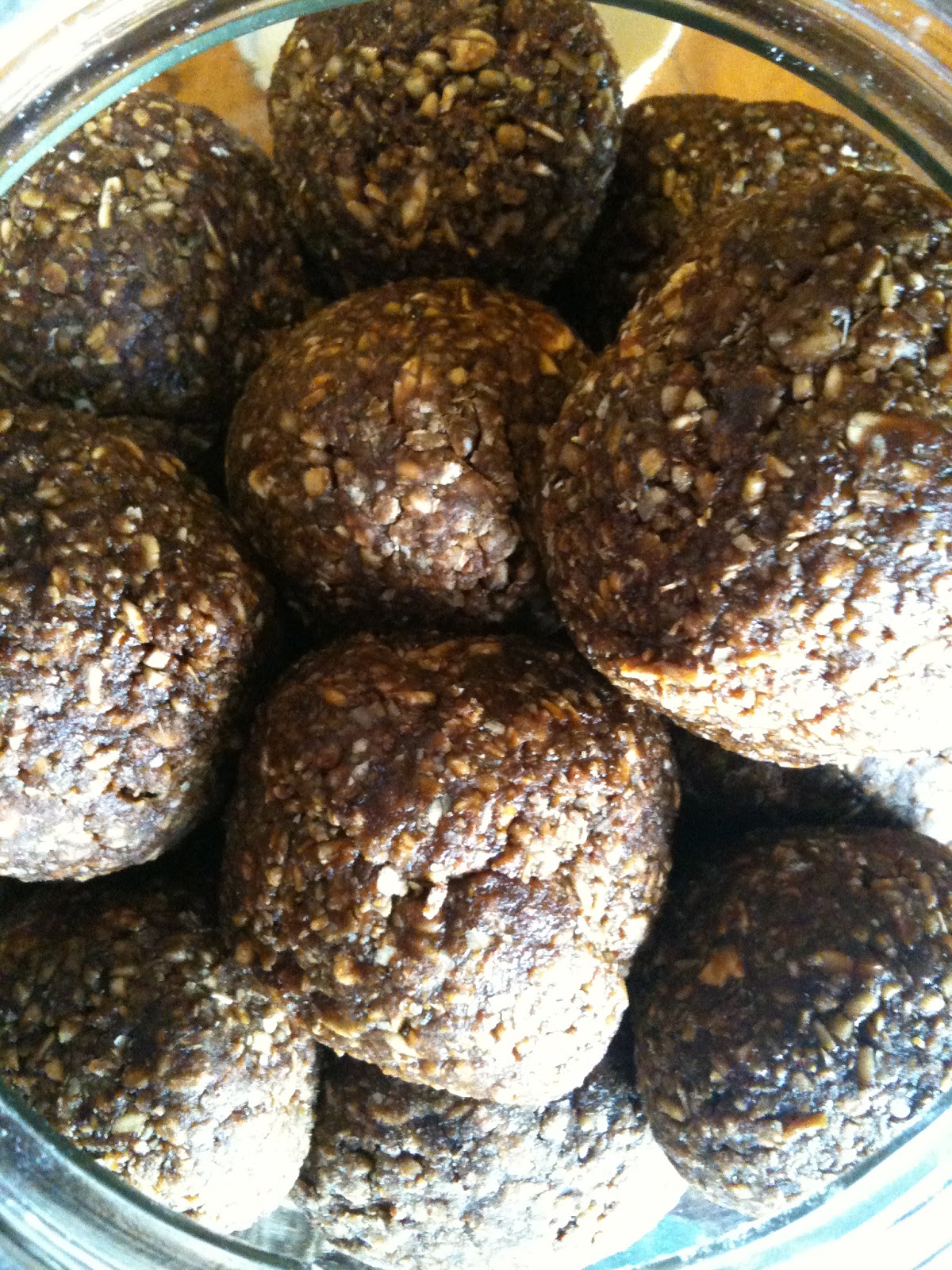
I've been focusing a bit more of my attention on the animals this week.  I bred one of our does a couple of days ago and realized that I have not been giving any of the animals the extra supplements and treats they used to get so frequently.  After all, it is a lot of work to keep up with everyone's (human and animal) needs!  I thought I would share an easy recipe for these tonic balls I like to give to the goats and cow.  There are infinite ways and ingredients for this recipe. What you put in will depend on what extra supplements you want your animals to have and perhaps what time of year it is.  Or maybe it will just depend on what you have around the house. Since this is one of my ways of using food as medicine, it is important to me that all ingredients be organic.  


Garlic is the essential ingredient being a very effective natural wormer and generally increasing immunity, as well as, over all health.  Flax oil is high in omega 3 fatty acids, which does wonders for the animals appearance.  When fed to lactating animals, flax improves the fatty acid content of their milk.  (We also try to feed flax seeds to our chickens to get the omegas in the eggs.)  For this batch of tonic balls I started with a generous amount of peeled garlic cloves which I put into the blender and immersed in flax seed oil.  (You can also just crush the garlic with a mortar and pestle and add whole flax seeds.)  I then blended the garlic and flax oil until almost liquefied.  


Next I ground some steel cut oats into flour.  Other substitutes for oats could be rye, barley, wheat, or any grain you think your ruminant will enjoy.  The goal is just to have some flour to add into the mix, the fresher the better.  My animals tend to find oats the most palatable. (And in case you are wondering, the cast iron grain grinder attachment for the Kitchen Aid mixer is awesome!) 


So once you have the garlic mashed and the flour ground, combine these ingredients in a large bowl.  Add rolled oats and a good amount of black strap molasses, which holds the balls together, makes the whole thing sweet and yummy for the animal, and is very high in iron and calcium.   
Other additions I usually add are...
-Vitamin C powder
-Probiotics  for healthy digestion
-Nettles for iron and calcium
-Olive leaf extract for anti-bacterial and anti-microbial action

Mix well, adjusting wet and dry ingredients until you get a consistency that will stick together.  Shape into small balls (you may have to pat your hands into some extra flour to avoid the mixture sticking to them).  Store in an air tight container in the refrigerator.  I usually give 2 balls a day to each goat and several more to our cow.  Use your best judgement on the dosing depending on what ingredients you use and how potent the balls are.  If your animals are picky you might have to reduce the amount of garlic.  And be sure to use them up when they are fresh.  The longer they sit the more garlicky they get and the goats especially will turn their noses away.  


Welcome winter and happy tonic making!

Wednesday, November 21, 2012

Amazake


More on the fermenting tip, last year when I finally broke down and bought Wild Fermentaion, I read it cover to cover and added a whole bunch of new recipes to my list of new things to try.  Amazake is one I am most excited about and I'm finally getting around to experimenting with it.  I'm guessing that few of you out there have heard of this delicious fermented Japanese creation.  We usually buy it in the health food store as a thick smoothy like treat which the kids love.  During the fermentation process, simple rice (or any other grain you choose) becomes extremely sweet as the mold spores in the inoculated rice product called Koji turn the complex carbohydrates into simple sugars.  According to Sandor Katz, amazake is versatile enough to eat as a pudding, to sweeten your baked goods, or blend into a thick sweet beverage that can be consumed hot or cold.  The most exciting part about this recipe is that it only takes 12-24 hours to ferment.  Here's how you do it...


Ingredients
-2 cups sweet rice (or any other grain)
-2 cups koji  (I found at local health food store, but you can order here.  Koji is also the culture used to make miso)
-water
-you will also need:  1 gallon wide mouth jar and an insulated cooler large enough for the jar to fit into


Cook the grain in 6 cups of water.  Preheat the cooler and the gallon jar by filling with hot water.  When the grain is cooked, remove it from heat, stir and cool to the point where you can hold your finger in it for a moment but it is still steaming hot.


Add koji to cooked grain and stir well.  


Place cooked grain/koji mixture into heated jar, screw on lid and place in heated cooler.  add additional hot water to maintain the heat in the cooler, not too hot to touch.  Shut the cooler and place it in a warm spot. 


Check amazake after 8-12 hours, if it is very sweet then its ready.  If not then heat it up gently with more hot water and allow to ferment for a few more hours.  Once it is sweet bring it to a boil to stop the fermentation.  If you leave it to ferment after it becomes sweet it becomes the alcoholic beginnings of sake.  You can now serve it as a pudding or add water and blend into a smooth drink.  Some delicious added flavorings are, coconut. grated ginger, nutmeg, vanilla, espresso.  There are other methods you can try (you basically want to create an incubator that will stay between 130-135 degrees).  Your amazake can sit in the crock pot or rice cooker filled with water.  I was thinking of putting the closed jar in my dehydrator next time at 135 degrees.  The oven can also work.

I have yet to try baking with amazake but the notion of having sweet baked goods on hand in our house that require no sugar, honey, maple syrup, etc. is REVOLUTIONARY!  Here is a recipe I will be trying asap for gluten free cardamom-peach amazake scones.

Another great book on the subject that explains in more detail the fermenting process, health benefits, and gives many more recipes is Naturally Delicious and Nutritious Amazake Rice Beverage, by John Finnegan and Kathy Cituk.  Enjoy!!


*first image from  http://www.tumblr.com/tagged/amazake


Saturday, November 17, 2012

Perennial Greens

We cling to our own point of view, 
as though everything depended on it.  
Yet our opinions have no permanence; 
like autumn and winter, 
they gradually pass away.
Zhuangzi
swiss chard
With the coming of the rain, the greens in the garden are popping.  All the kale, cabbage, collards, and broccoli are steadily growing but it is the perennial greens that we tend to rely on daily.  This time of year the chard, purple tree collards, and Malabar spinach become the mainstay of green vegetables in our diet.  


Swiss chard is such a versatile vegi, you can use it in salads, stir fries, soups, or in any way you would use spinach.  To make the savory treats above, saute an onion and fresh garlic with a large bunch of chard.  Wrap generous spoonfuls of the mixture up in filo brushed with lots of butter and olive oil.  Baked at 400 degrees for 20 minutes and you have the most amazing flaky little hand pies.  Serve with a lentil or chicken soup for a comforting meal on a cold evening.  

purple tree collards

I am becoming a firm believer that everyone should plant at least a few  purple tree collards in their garden.  These greens are a bit tougher than swiss chard but have such longevity in the garden and are so useful for feeding the family as well as any livestock.  Fed to the chickens, they make the yolks bright orange.  One of my favorite uses for tree collards is to make chips, like kale chips only better!

Purple Tree Collard Chips
-1 large bunch tree collards or kale
-2 tbls miso
-1 1/2 tbls. tahini
-2 tbls. olive oil
-1/2 tsp. granulated garlic
-1/2 tsp. granulated onion
(you can also add sunflower seed butter, cashew butter, cumin, shredded coconut, etc.)

Wash and chop greens into small pieces and dry well.  In a large bowl mix the rest of the ingredients.  Add chopped greens and toss into the dressing mixing well to coat all pieces.  Arrange on dehydrator racks and dry until crisp.  You can also dry on a baking sheet in the oven on low or warm but check often as the oven can cook them instead of just dehydrating.  Once cool store in glass jars and enjoy as an inexpensive, healthy snack.  

malabar spinach

Malabar spinach is a perennial vine found in the tropics.  We have observed that it does love heat but is also thriving in this cool wet weather.  Although we are just beginning to get acquainted with this vegetable we have found it to be tasty, hardy, versatile, and I have heard it makes an awesome substitute for spinach in the Indian dish saag paneer.  So far we are enjoying harvesting handfuls of the tender leaves just before dinner time to enhance our meal.  

What are some perennial greens you find useful in your garden?